Individual Substance-Use Counseling
One-to-one counseling focused on substance use, accountability, underlying patterns, relationships, and recovery goals.
Explore this service →
LCDC substance-use counseling, sober companion support, and family guidance in Dallas–Fort Worth. Compassionate guidance for individuals and the people who care about them.
Recovery rarely follows a straight line. People and families need support that responds to where they are—not a one-size-fits-all answer.
Redwood combines professional counseling, practical guidance, and a deep understanding of addiction to help create honest conversations, healthier decisions, and forward movement.
Find the right kind of support →Start with what is happening now. Redwood can help clarify possible next steps when you are unsure where to begin.
One-to-one counseling focused on substance use, accountability, underlying patterns, relationships, and recovery goals.
Explore this service →Support for parents, partners, and loved ones working through communication, boundaries, and their own place in recovery.
Explore this service →Preparation and practical companionship for high-stakes events, work travel, court dates, and other challenging situations.
Explore this service →Thoughtful preparation and guided action when a family needs a clear plan to help a loved one consider treatment.
Explore this service →Some people begin with counseling. Others need an intervention before they are willing to accept help. Redwood can provide different kinds of support as needs change.
Clarify what is happening, what has already been tried, and what kind of support may fit now.
Begin counseling or practical companion support—or prepare an intervention when voluntary engagement is not happening.
Strengthen accountability, communication, routines, and the everyday skills that support recovery.
Adjust support as needs change and keep progress connected through transitions.
“You are never too far gone to build a different life. But at some point, something has to become more important than continuing to live the same one.”
— Randy Cox
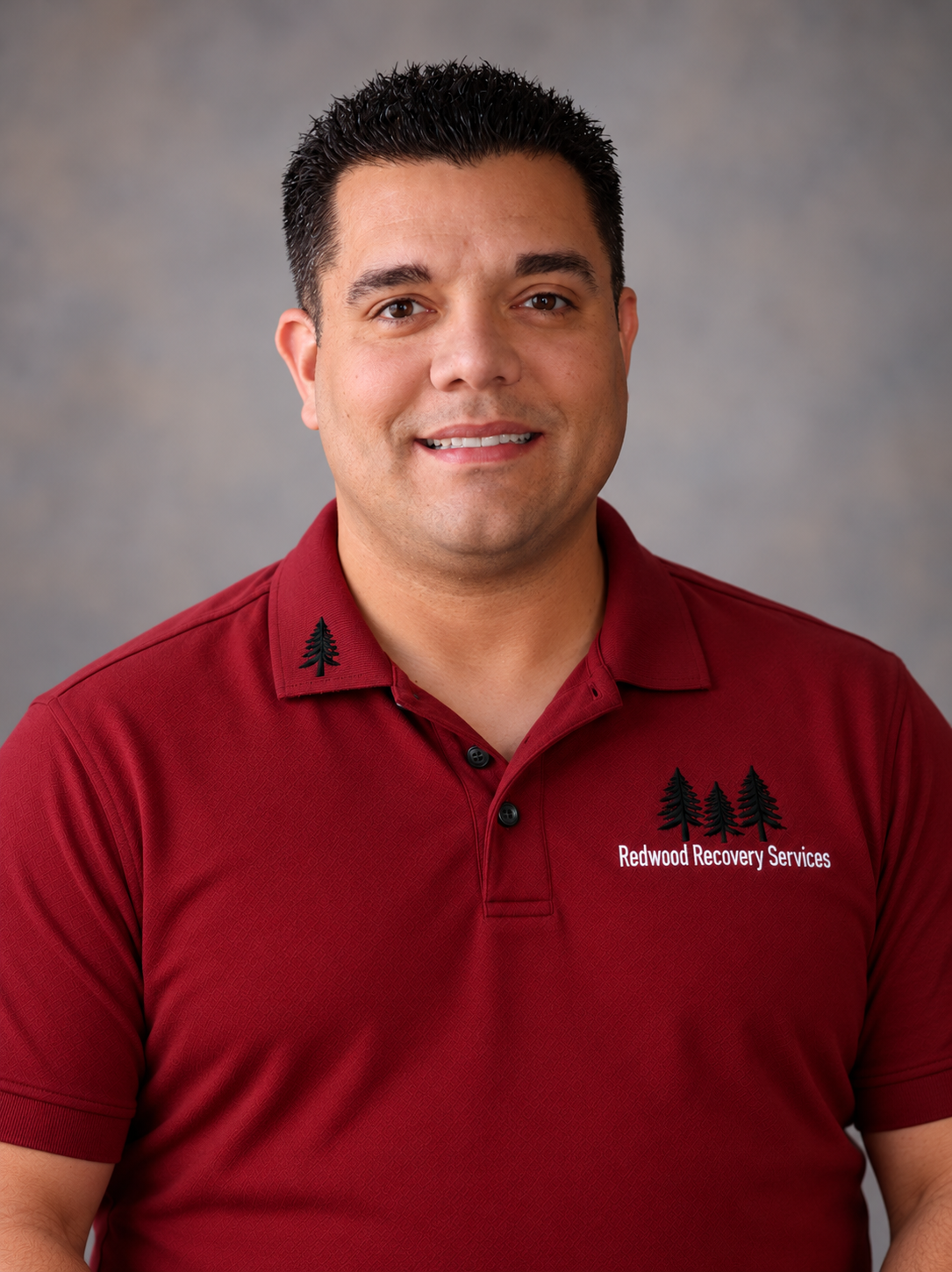
Randy knows what it is like to be the person a family is desperately trying to save—and the professional families trust when they no longer know what to do.
As a Licensed Chemical Dependency Counselor, recovery program leader, and person in long-term recovery, Randy brings honesty, compassion, and accountability to his work with individuals and families.
Families can begin with a question, a concern, or a situation they aren’t sure how to handle.